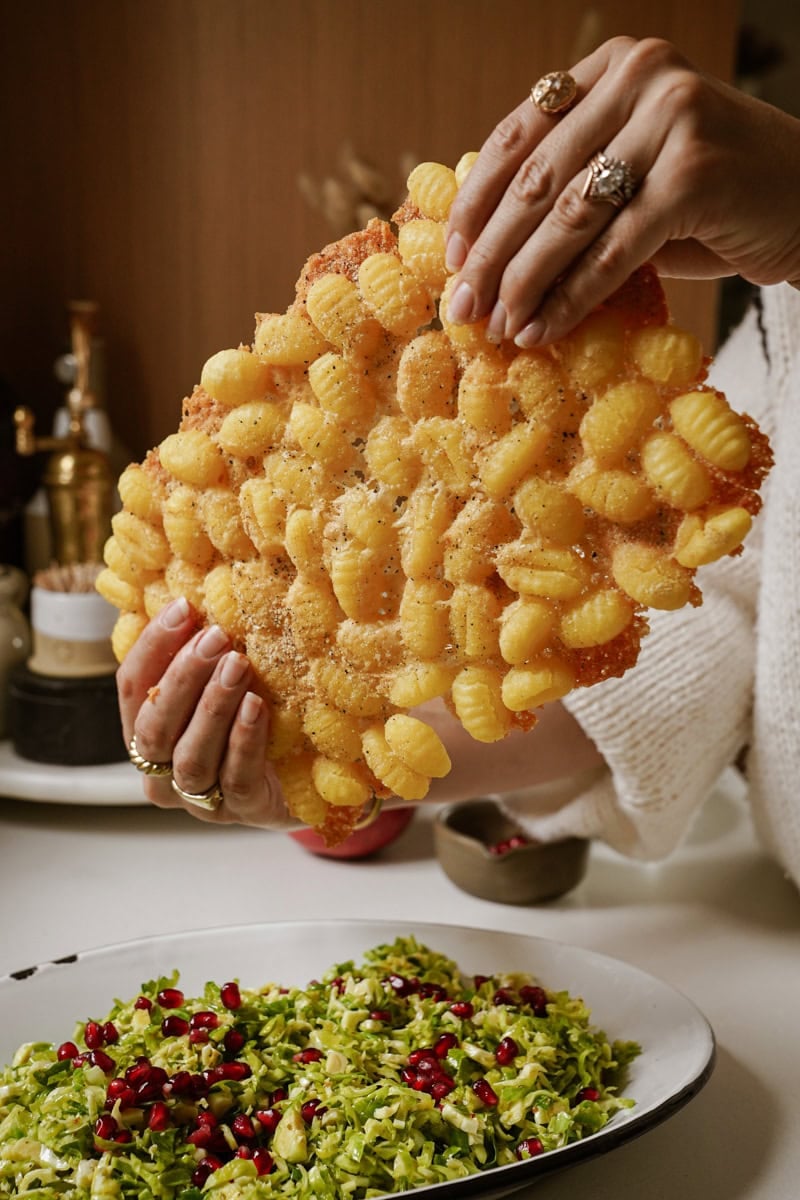
Perfect Sheet Pan Gnocchi: Unlock Its Crispy Potential
Imagine a weeknight meal that’s both incredibly easy to prepare and bursting with flavor and satisfying textures. A meal that requires minimal cleanup and can be customized to suit any palate or whatever ingredients you have on hand. Sounds like a dream, right? Welcome to the wonderful world of sheet pan gnocchi! This culinary marvel transforms humble potato dumplings into golden, crispy bites, surrounded by your favorite roasted vegetables and proteins, all on a single pan.
For many, gnocchi conjures images of delicate, boiled pillows swimming in sauce. But the true magic, and the secrets behind making sheet pan gnocchi achieve its ultimate crispy potential, lie in the oven. Ditching the boiling pot not only saves you time and dishes but also paves the way for a texture revolution – gnocchi that’s wonderfully tender on the inside and delightfully browned and crisp on the outside. Get ready to discover the tips, tricks, and essential techniques that will elevate your sheet pan gnocchi from good to absolutely unforgettable, making it a guaranteed favorite in your weekly meal rotation.
The Gnocchi Blueprint: Choosing Your Foundation for Crispy Perfection
Before you even preheat your oven, the journey to perfect sheet pan gnocchi begins with selecting the right gnocchi. While many varieties will work, understanding their characteristics can help you achieve your desired crispy outcome.
- Shelf-Stable vs. Refrigerated Gnocchi: You’ll typically find gnocchi in two main forms. Shelf-stable gnocchi, often vacuum-sealed, tends to be denser. This density is a significant advantage for sheet pan cooking, as it helps the gnocchi hold its shape better under high heat and develop a more robust, crisp exterior. Its lower moisture content also contributes to superior browning. Refrigerated gnocchi, on the other hand, is usually lighter and has a more delicate, pillowy texture. While it can certainly be used, it might require a watchful eye to prevent it from becoming too soft before it crisps up. If using refrigerated gnocchi, ensure it's well-coated in oil and spread out to maximize air circulation.
- Potato vs. Other Varieties: Traditional gnocchi is made from potatoes, and for good reason – potatoes provide a stable yet tender base. However, the market offers exciting variations made from sweet potatoes, ricotta, cauliflower, spinach, or even various root vegetables. All of these can be fantastic for a sheet pan meal, offering different flavor nuances and nutritional benefits. Consider how the other ingredients in your meal will complement the gnocchi's base flavor. For example, sweet potato gnocchi pairs beautifully with warming spices and hearty greens, while ricotta gnocchi might prefer lighter, herb-focused additions.
- Fresh vs. Dried Gnocchi: This distinction is less common in store-bought varieties but worth noting if you encounter it or make your own. Fresh gnocchi, by its nature, has a higher moisture content and cooks much faster. If you opt for fresh, consider adding it to the sheet pan later in the cooking process, perhaps halfway through, especially if you're roasting slower-cooking vegetables. This prevents it from overcooking and potentially becoming mushy before your other ingredients are done. Dried gnocchi, which is less common in retail, behaves similarly to pasta, requiring rehydration and a longer cooking time, which might make it less ideal for a quick sheet pan meal. For most home cooks, the shelf-stable or refrigerated options are the primary choices and both can deliver excellent results with the right technique.
Mastering the Oven: Unlocking Crispy Perfection
The oven is where the magic truly happens, transforming soft gnocchi into golden, crispy delights. These techniques are the bedrock of perfect sheet pan gnocchi, making it the ultimate 30-minute sheet pan gnocchi dinner recipe.
- No Pre-Boil is the Golden Rule: This is arguably the most critical secret to crispy sheet pan gnocchi. Forget the pasta pot! Placing gnocchi directly onto the sheet pan allows it to roast, not boil, creating a beautiful golden crust. Boiling gnocchi first introduces too much moisture, making it difficult to achieve that desirable crisp texture later in the oven. This direct roasting method ensures that the gnocchi's surface can caramelize and brown, developing incredible flavor and crunch.
- Generous Oil Application is Essential: Do not skimp on the olive oil! A liberal coating is non-negotiable for several reasons. First, it prevents the gnocchi from sticking to the sheet pan. Second, and perhaps more importantly, oil is a crucial medium for heat transfer, promoting even browning and crisping across the entire surface of each gnocchi piece. Aim for enough oil to visibly coat every piece, usually 2-3 tablespoons for a standard package of gnocchi, plus more for your vegetables. Extra virgin olive oil adds a lovely flavor, but any high-heat cooking oil will work.
- High Heat, No Compromise: Crank up that oven to at least 400°F (200°C), and even up to 425°F (220°C) is often ideal. High heat is the catalyst for browning, crisping, and achieving that sought-after Maillard reaction, which is responsible for the complex flavors and aromas in roasted foods. Lower temperatures will merely dry out the gnocchi without giving it that satisfying exterior crunch.
- The Sacred Single Layer: Preventing the Steam Trap: Overcrowding your sheet pan is the enemy of crispiness. When gnocchi (or any ingredient, for that matter) is piled on top of itself, it traps steam, effectively steaming instead of roasting. This leads to soggy, pale gnocchi. Spread your gnocchi and other ingredients in a single, even layer, leaving a little breathing room between each piece. If you have too many ingredients for one pan, divide them between two sheet pans. Air circulation is paramount for achieving that coveted golden-brown crisp.
- The Mid-Bake Toss: Even Crisping Guaranteed: About halfway through the baking time (typically 15-20 minutes in), give your gnocchi and accompanying ingredients a good toss. This simple step ensures that all sides of the gnocchi get exposed to the direct heat of the pan and the oven's radiant heat, promoting uniform browning and crispiness. It also helps prevent any sticking.
- Embrace the Browning: Flavor & Texture Amplified: Don't be afraid of a deep golden-brown hue. While a light golden color is pleasant, true crispy potential is unlocked when the gnocchi develops a rich, golden-brown crust, sometimes even with a few darker, slightly charred bits. This browning is where the flavor intensifies and the texture transforms into something truly irresistible. Resist the urge to pull them out too early!
Beyond the Basics: Elevating Your Sheet Pan Gnocchi Creations
One of the most appealing aspects of sheet pan gnocchi is its incredible versatility. It serves as an excellent canvas for creating creative, healthy, and budget-friendly meals. Think of it as a customizable template for whatever flavors you're craving or ingredients you need to use up.
Start with your gnocchi, and then consider your favorite vegetables. Sturdy vegetables like broccoli florets, bell peppers, zucchini, asparagus, cherry tomatoes, red onion wedges, or hearty root vegetables like carrots, parsnips, and sweet potatoes all roast beautifully alongside gnocchi. For vegetables with different cooking times, a smart tip is to add quicker-cooking items like cherry tomatoes or pre-cooked greens like spinach during the last 10-15 minutes of roasting, or even after the pan comes out of the oven, tossed in the residual heat. This ensures everything cooks to perfection without burning or becoming mushy.
To make it a complete meal, incorporate a protein. Chicken sausage, Italian sausage, chickpeas (for a vegetarian option), tofu cubes, halloumi cheese, or even shrimp are excellent choices that roast well on a sheet pan. Season everything generously with herbs and spices that complement your chosen ingredients. Italian seasoning, garlic powder, onion powder, paprika, dried oregano, and red pepper flakes are all fantastic starting points. A squeeze of fresh lemon juice, a sprinkle of fresh parsley or basil, or a drizzle of pesto or balsamic glaze after baking can add a vibrant finishing touch.
Consider different flavor profiles: a Mediterranean theme with cherry tomatoes, feta, olives, and oregano; an autumnal vibe with butternut squash, sage, and roasted chicken; or a vibrant spring mix with asparagus, peas, and lemon zest. The possibilities are truly endless, making sheet pan gnocchi a dynamic and exciting meal solution for any day of the week.
Troubleshooting for a Perfect Batch
Even with the best intentions, sometimes things don't go exactly as planned. Here are some common issues and their solutions when perfecting your sheet pan gnocchi:
- "My gnocchi isn't crispy!" This is usually due to one of three culprits:
- Not enough oil: Ensure every piece is generously coated.
- Oven temperature too low: Double-check your oven setting – it needs to be at least 400°F (200°C).
- Overcrowding the pan: If gnocchi is piled up, it steams rather than roasts. Use two pans if necessary.
- "My gnocchi is too hard or chewy." This often happens if the gnocchi is significantly overcooked or if you're using a very dense variety that requires slightly more roasting time than you gave it. Sometimes, denser shelf-stable gnocchi needs a touch longer to soften internally while crisping externally. Try reducing the overall cooking time slightly next time, or ensuring your gnocchi isn't cut into overly small pieces that dry out quickly.
- "My vegetables are burnt, but the gnocchi isn't done." This indicates that your ingredients have different cooking times. Harder root vegetables (like carrots or sweet potatoes) should be cut into smaller pieces or started on the pan 10-15 minutes before the gnocchi and quicker-cooking vegetables (like bell peppers or zucchini). Conversely, delicate greens or quick-cooking tomatoes should be added later.
- "My gnocchi is sticking to the pan." Again, this points to insufficient oil. Make sure the pan itself is lightly oiled or lined with parchment paper, and the gnocchi is thoroughly coated before spreading it out. A quick toss halfway through baking also helps prevent sticking.
The Crispy Conclusion
The secrets behind making sheet pan gnocchi that is perfectly crispy, tender, and flavorful are now yours to command. By understanding gnocchi types, embracing high heat, liberal oiling, single-layer roasting, and strategic tossing, you can transform a simple package of potato dumplings into a spectacular, fuss-free meal. This method isn't just about convenience; it's about unlocking a whole new textural dimension for gnocchi that will delight your taste buds. So, preheat that oven, gather your favorite ingredients, and prepare to add this incredibly versatile and delicious dish to your regular meal rotation. Your weeknights just got a whole lot tastier!
