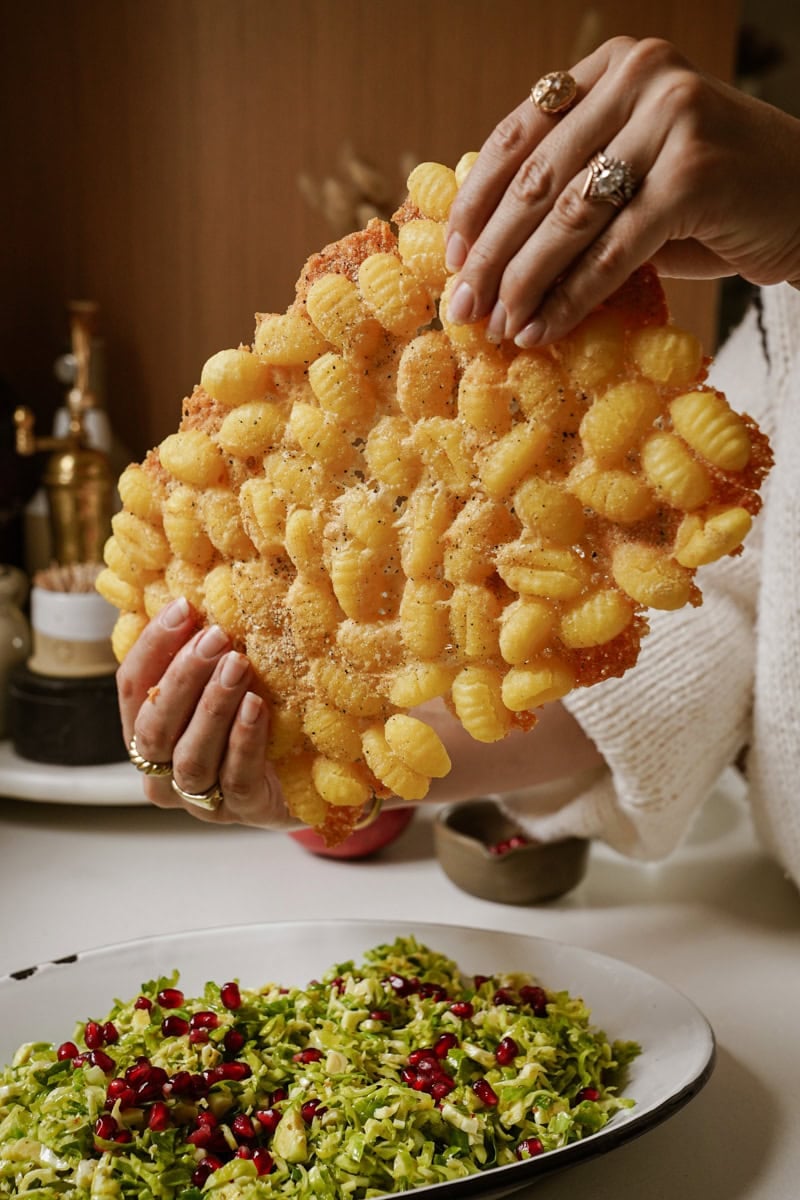
Unlocking the Magic of Sheet Pan Gnocchi: Your Ultimate Guide
In the quest for quick, delicious, and minimal-mess meals, sheet pan gnocchi has emerged as a true culinary hero. Imagine a wholesome, comforting dish that comes together with just a few ingredients and even fewer dirty dishes. This isn't just a fantasy; it's the reality of sheet pan gnocchi. While its simplicity is part of its charm, there are specific secrets behind making sheet pan gnocchi truly perfect – tender on the inside, wonderfully crispy on the outside, and bursting with flavor. Today, we're pulling back the curtain to reveal all the tips and tricks you need to transform your weeknight dinners forever.
From choosing the ideal gnocchi variety to mastering the art of oven roasting, we'll guide you through every step. Prepare to add this versatile, satisfying recipe into your regular rotation, making dinner a breeze even on the busiest evenings.
The Foundation: Selecting the Right Gnocchi for Your Sheet Pan Creation
At the heart of any exceptional sheet pan gnocchi dish lies, naturally, the gnocchi itself. These delightful little potato dumplings are the ultimate comfort food, and selecting the right kind can significantly impact the final texture and taste of your meal. Don't underestimate the power of choice when it comes to this pillowy base.
Shelf-Stable vs. Refrigerated Gnocchi: A Texture Showdown
When you're browsing the aisles, you'll typically encounter two main categories of store-bought gnocchi, each with its own characteristics:
- Shelf-Stable Gnocchi: Often found in vacuum-sealed packages near dried pasta, this variety tends to be denser and more resilient. Its firm structure makes it an excellent candidate for the high heat of a sheet pan, as it holds its shape beautifully and develops a fantastic crispy exterior. This is often the most forgiving option for beginners aiming for maximum crunch.
- Refrigerated Gnocchi: Usually located in the chilled section alongside fresh pasta, refrigerated gnocchi typically boasts a lighter, more delicate texture. While it can certainly work on a sheet pan, its softer consistency means you might achieve a more pillowy interior with slightly less crisping on the outside. If you prefer a melt-in-your-mouth texture, this might be your preference, though it requires a bit more careful monitoring to prevent overcooking.
Both types can yield delicious results, so feel free to experiment and see which texture you prefer for your sheet pan endeavors. For consistent crispiness, many home cooks lean towards the shelf-stable variety.
Beyond Potato: Exploring Gnocchi Varieties
While traditional gnocchi is crafted from potatoes, the culinary world offers an exciting array of variations. You'll find gnocchi made with sweet potatoes, ricotta, cauliflower, spinach, and even gluten-free alternatives. Each brings a unique flavor profile and texture to the table:
- Traditional Potato Gnocchi: The classic choice, offering a neutral canvas that pairs well with almost any ingredient.
- Sweet Potato Gnocchi: Adds a subtle sweetness and earthy undertone, fantastic with savory herbs like rosemary or sage.
- Ricotta Gnocchi: Known for being exceptionally light and tender, these can be more delicate on the sheet pan and may cook slightly faster.
- Vegetable-Based Gnocchi (Cauliflower, Spinach, etc.): A great way to sneak in extra veggies and add nuanced flavors, often with a slightly different chew.
The best choice often depends on your desired flavor combination. Consider what other ingredients you'll be roasting alongside your gnocchi to create a harmonious meal.
Fresh vs. Dried Gnocchi: Understanding the Impact on Cooking Time
While most "store-bought" gnocchi for sheet pan recipes falls into the shelf-stable or refrigerated category, it's worth noting the distinction of truly "fresh" versus more processed forms. Freshly made gnocchi (whether from a specialty store or homemade) will cook very quickly and has the softest, most delicate texture. If using truly fresh gnocchi, you might consider adding it to the sheet pan later in the roasting process, especially if you're including longer-cooking vegetables, to prevent it from becoming mushy. The shelf-stable varieties, on the other hand, are often more akin to a "dried" or pre-cooked form, requiring the full roasting time to achieve that ideal tender-chewy interior and crispy exterior. The key takeaway here is to understand that the less processed and fresher the gnocchi, the less cooking time it will likely require.
Unlocking the Roasting Magic: Essential Sheet Pan Secrets for Perfection
Once you've chosen your gnocchi, the real magic happens in the oven. The roasting process is where these little dumplings transform into golden, crispy bites. These secrets behind making sheet pan gnocchi are not just tips; they are non-negotiable steps to achieve that perfect texture and flavor.
The No-Boil Revolution: Why It Works So Well
One of the greatest advantages of sheet pan gnocchi is that you completely skip the boiling step. Yes, you heard that right – no pasta pot, no waiting for water to boil, and no draining! This isn't just a time-saver; it's a game-changer for texture. Roasting the gnocchi directly in the oven allows it to develop a beautifully crispy exterior while maintaining a tender, chewy interior, avoiding the sometimes-soggy fate of boiled gnocchi. It also means your dinner can be on the table in under 30 minutes! For more on this revolutionary method, check out Skip the Pot: 30-Minute Sheet Pan Gnocchi Dinner Recipe.
Oil is Your Ally: Coating for Even Browning and Flavor
Do not skimp on the olive oil! A generous coating of good quality olive oil is absolutely essential. It serves multiple crucial purposes:
- Prevents Sticking: Ensures your gnocchi doesn't fuse to the sheet pan.
- Promotes Browning: Helps create that desirable golden-brown, crispy crust.
- Adds Flavor: A good olive oil enhances the overall taste of the dish.
- Distributes Heat: Helps in even cooking and crisping.
Toss the gnocchi (and any accompanying vegetables) thoroughly with oil until every piece is glistening. You want a good layer, not just a light drizzle.
High Heat is Essential for that Crispy Finish
Crank up that oven! A high temperature is non-negotiable for achieving the signature crispy texture of sheet pan gnocchi. Aim for at least 400°F (200°C), or even 425°F (220°C). High heat encourages the Maillard reaction – the chemical process responsible for browning and developing complex, savory flavors. Preheat your oven thoroughly, and for an extra boost of crispiness, you can even preheat the sheet pan itself for a few minutes before adding your ingredients.
The Golden Rule: Don't Overcrowd the Pan
This is arguably one of the most vital secrets behind making sheet pan gnocchi truly shine. Spread your gnocchi (and other ingredients) in a single layer, ensuring there's space between each piece. Overcrowding is the enemy of crispiness; it traps steam, turning your potential crispy gnocchi into a soggy disappointment. If you have too many ingredients for one pan, use two! Trust us, the extra pan is worth it for the superior texture. For more expert advice on achieving ultimate crispiness, see Perfect Sheet Pan Gnocchi: Unlock Its Crispy Potential.
The Mid-Roast Flip & Embrace the Browning
About halfway through the baking time, give your gnocchi a good toss. This ensures that all sides get a chance to brown and crisp up evenly. And don't be afraid of the browning! Those golden-brown, slightly charred bits are where the most delicious flavor and texture reside. They're not burnt; they're perfectly caramelized and packed with taste, providing a wonderful contrast to the tender interior.
Beyond the Basics: Elevating Your Sheet Pan Gnocchi Experience
One of the most delightful aspects of sheet pan gnocchi is its incredible versatility. It's a fantastic base for incorporating a wide array of ingredients, transforming it into a creative, healthy, and often budget-friendly meal using what you already have on hand.
Pairing Perfection: Vegetables, Proteins, and Flavor Boosters
The beauty of the sheet pan method is that gnocchi roasts beautifully alongside almost anything. Consider:
- Vegetables: Cherry tomatoes, bell peppers, broccoli florets, zucchini, asparagus, chopped onions, and mushrooms are excellent choices. Harder vegetables like chopped potatoes or carrots might need a head start in the oven before adding the gnocchi.
- Proteins: Pre-cooked chicken sausage (sliced), shrimp, chickpeas, tofu cubes, or even salmon fillets can all be roasted alongside the gnocchi.
- Herbs & Spices: Don't forget fresh or dried herbs like rosemary, thyme, oregano, and basil. Garlic powder, onion powder, smoked paprika, and red pepper flakes can add incredible depth.
Match the cooking times of your ingredients. More delicate vegetables or proteins can be added later in the roasting process to prevent overcooking.
Finishing Touches for a Gourmet Feel
Once your gnocchi and companions are perfectly roasted, elevate the dish with simple finishing touches. A drizzle of balsamic glaze, a dollop of pesto, a sprinkle of fresh Parmesan cheese, a squeeze of fresh lemon juice, or a scattering of chopped fresh parsley or basil can brighten the flavors and add a professional touch. A touch of nutritional yeast can also impart a cheesy, umami depth without dairy.
Conclusion: Your New Weeknight Staple Awaits
Sheet pan gnocchi isn't just a recipe; it's a revelation for home cooks seeking efficiency without compromising on flavor or satisfaction. By understanding the critical secrets behind making sheet pan gnocchi – from selecting the ideal gnocchi to mastering the high-heat, no-boil roasting technique – you're now equipped to create effortlessly delicious meals. This versatile, quick-to-prepare dish offers endless possibilities for customization, making it perfect for using up fridge staples and catering to diverse tastes. Embrace the simplicity, savor the crispiness, and prepare to fall in love with your new favorite weeknight dinner.
